Signs Your Car Interior Needs Detailing and What It Costs
The three most common signs a vehicle interior needs professional attention are persistent odors that air fresheners cannot mask, fabric or leather stains that have set for more than a week, and a sticky or grimy film on hard surfaces. In Fort Worth, mobile interior detailing typically runs between $150 and $350 depending on vehicle size and condition, and most appointments take two to four hours completed right where you park.
Most people notice one of these three things and assume a quick wipe-down will handle it. It usually does not. Each symptom points to a different underlying cause, and waiting longer makes each one harder and more expensive to correct. This guide breaks down what is actually happening, how serious it is, and what you should do about it.
Why does my car smell bad even after I clean it?
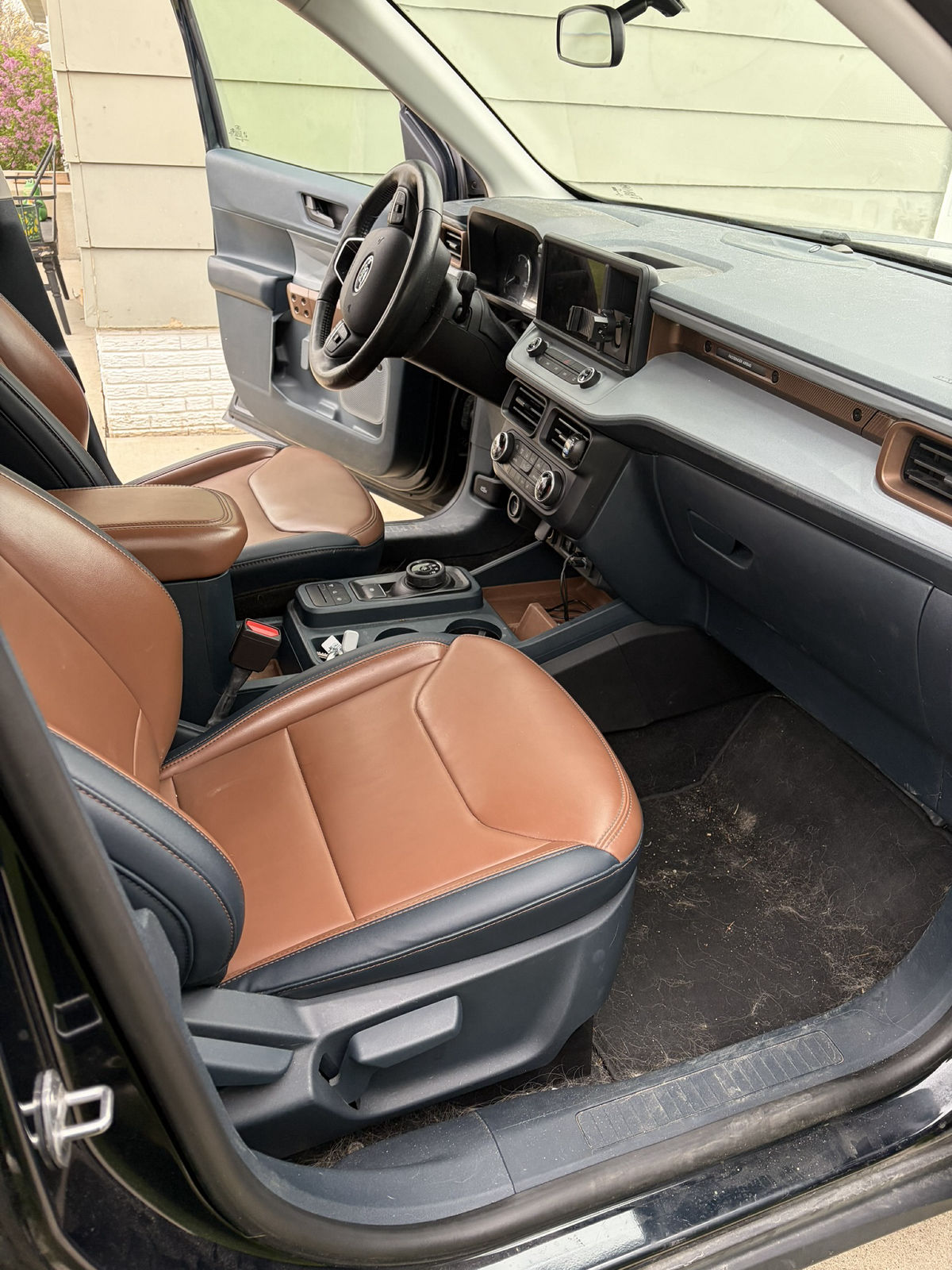
Odors that survive regular cleaning are almost always living inside the carpet padding, seat foam, or headliner material rather than on the surface. Bacteria from food spills, pet dander, mold from trapped moisture, and smoke residue all bond with porous materials. Surface sprays and air fresheners cover the smell temporarily but do not reach the source. An extractor machine pulls contaminated liquid out of the padding and foam where the bacteria actually live.
Severity: Medium to high. Mold in particular can spread to the HVAC system if left alone, which turns a detailing job into a much larger repair bill.
Why won't that stain come out no matter what I try?
Set stains, meaning anything that has dried and been exposed to heat from the sun or the vehicle's interior, undergo a process called polymerization. The proteins in food, coffee, or biological material bond chemically with fabric fibers or leather pores. Consumer spot removers are not formulated to break those bonds. Professional-grade enzyme cleaners and pH-adjusted solutions work on a different level, and steam or hot-water extraction finishes the job by flushing the broken-down material out of the fiber.
Severity: Medium. The stain itself is cosmetic, but the longer it sits the more likely it permanently alters the material color or texture, especially on leather.
What is that sticky film on my dash and door panels?
That film is a combination of off-gassing from plastics and vinyl, settled airborne grease from food and skin oils, and degraded protectant products that were applied and never fully removed. It attracts dust aggressively, which is why the surface looks dirty again within days of wiping it. A proper interior detail strips the old residue with a dedicated interior cleaner, then applies a fresh, thin layer of protectant that actually bonds to the surface rather than sitting on top of it.
Severity: Low to medium. Mostly cosmetic, but degraded plastics and vinyl that are never cleaned or protected can crack and fade permanently over time.
Interior Symptom Diagnostic Reference
| Symptom | Likely Cause | How Urgent |
|---|---|---|
| Persistent odor after cleaning | Bacteria or mold embedded in padding, foam, or headliner | High if musty or mold-like, medium for food or pet odors |
| Stain that will not lift | Polymerized proteins or dyes bonded to fabric or leather fibers | Medium, worsens with each heat cycle |
| Sticky or greasy hard surfaces | Off-gassing residue, skin oils, and degraded protectant buildup | Low to medium, cosmetic but accelerates material wear |
| Cracked or dull leather | Lack of conditioning, UV exposure, and dried-out leather pores | Medium, cracks are permanent once they form |
| Foggy or hazy windows from inside | Off-gassing film on glass, not dirt from outside | Low, but reduces visibility over time |
When to stop waiting and book the detail
Some interior conditions are cosmetic. Others cross a line where delay causes permanent damage or a health concern. Stop putting it off if you notice any of these:
- A musty or sour smell that returns within days of cleaning, which signals active mold or bacterial growth
- Leather that has begun to crack along seams or high-contact areas, because cracked leather cannot be fully restored, only managed
- Visible mold spots on any surface, especially near the carpet edges or under seats where moisture collects
- A film on the interior windows that reappears within a week, which can reduce nighttime visibility
- Stains that have been through two or more heat cycles, because each cycle sets them deeper into the material
What does mobile interior detailing actually cost in this area?
Most mobile detailers around here charge roughly $150 to $200 for a standard interior detail on a sedan in average condition. SUVs and trucks run closer to $200 to $300 because of the added surface area and the third-row seating that most shops skip. Vehicles with heavy contamination, pet hair, or neglected leather often fall in the $275 to $350 range because the prep work alone takes significantly longer.
These are market ranges, not quotes. The actual price depends on what the detailer finds when they open the door. A vehicle that gets detailed every three to four months will almost always land at the lower end. One that has gone two or more years without professional attention will not.
The mobile model matters here. CMC Details comes to your home, workplace, or wherever the vehicle is parked. There is no drop-off, no waiting room, and no minimum mileage requirement within the service area. Here is what that looks like from a process standpoint, including what gets cleaned and in what order.
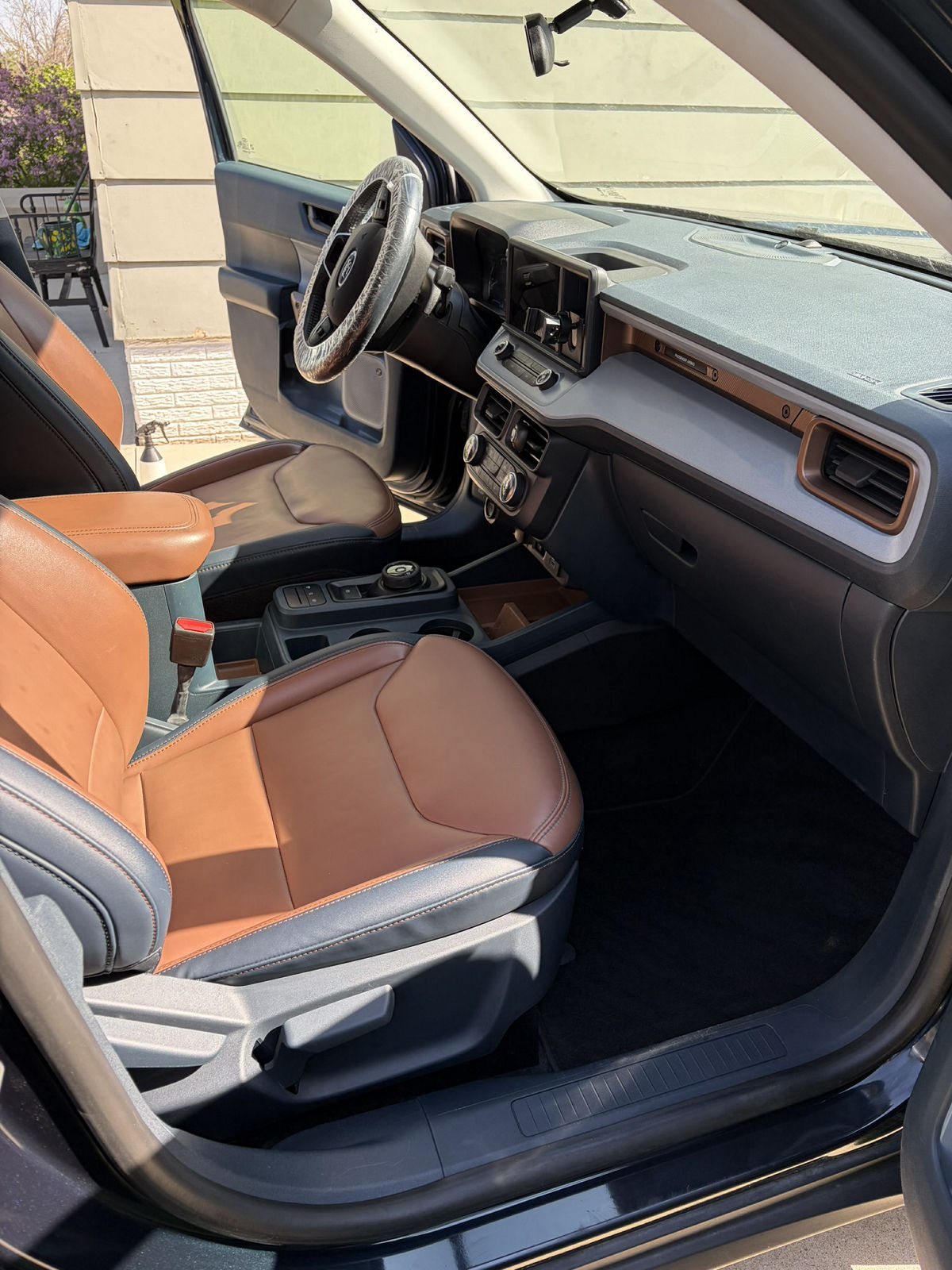
If you want to go deeper on the process, the Resource Hub covers how different materials are treated, what products are used on leather versus fabric, and how often each service makes sense for different driving habits.
Common questions
How much does interior detailing cost?
Market rates for mobile interior detailing generally fall between $150 and $350. Sedans in decent condition tend to land near the lower end. Large SUVs, trucks, or vehicles with heavy pet hair, odors, or set stains will run toward the higher end because the labor time is significantly greater.
How often should I get my car interior detailed?
For most daily drivers, every three to four months is a reasonable interval. Vehicles used for food delivery, pet transport, or carrying kids will benefit from every six to eight weeks. A maintenance detail done on a regular schedule costs less per visit than a deep correction on a neglected interior.
Can a detailer really get rid of bad odors or is it just covered up?
A proper interior detail removes the source rather than masking it. Hot-water extraction pulls bacteria and organic material out of carpet padding and seat foam. Enzyme treatments break down proteins that cause odors. Ozone treatment is sometimes used for smoke or severe cases. Air fresheners alone do not do this.
Book Your Mobile Interior Detail
Find us on Google Call (319) 777-6733 anytime.
CMC Details - mobile auto detailing serving Fort Worth, TX. (319) 777-6733.


Comments
Post a Comment